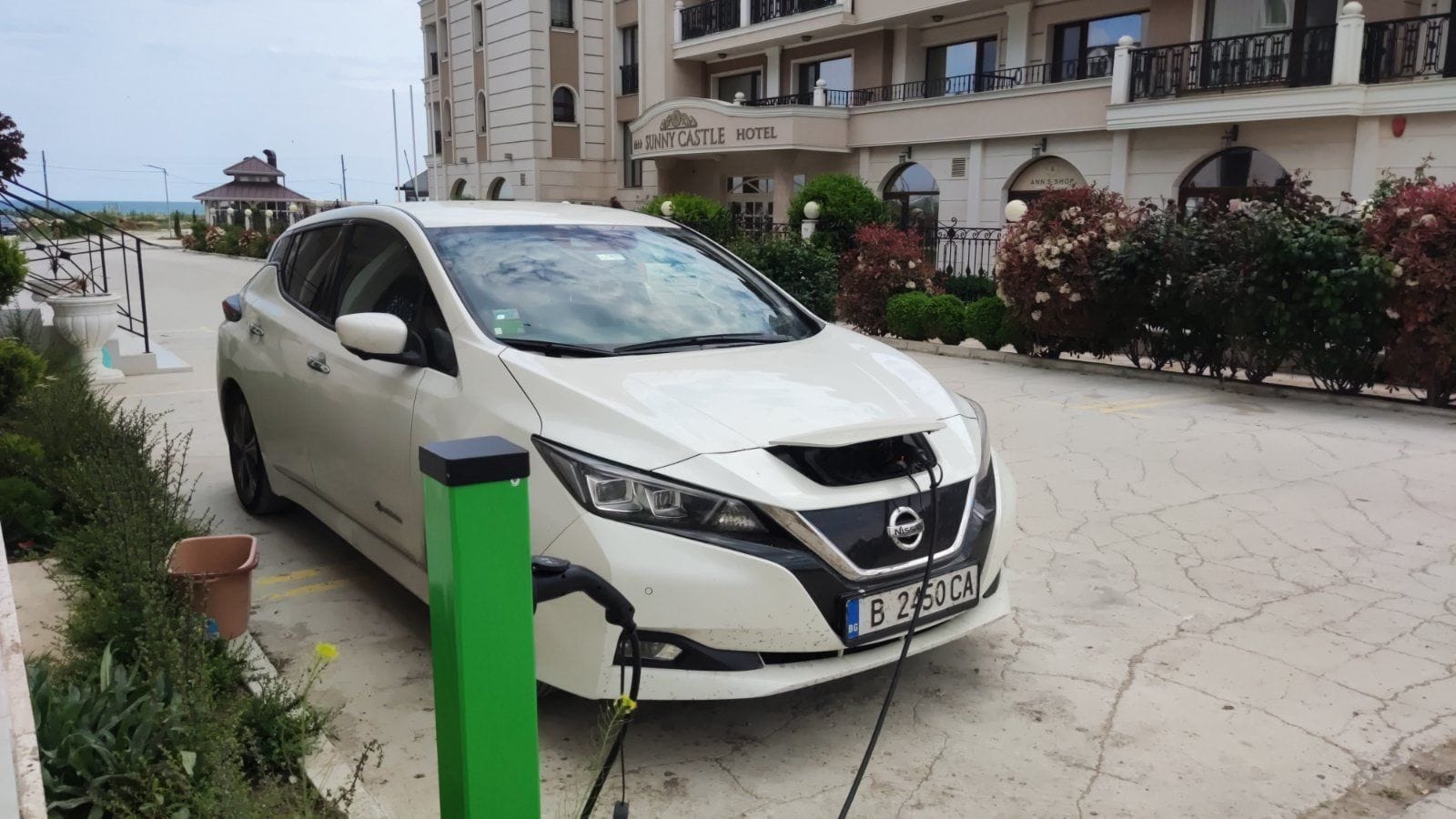
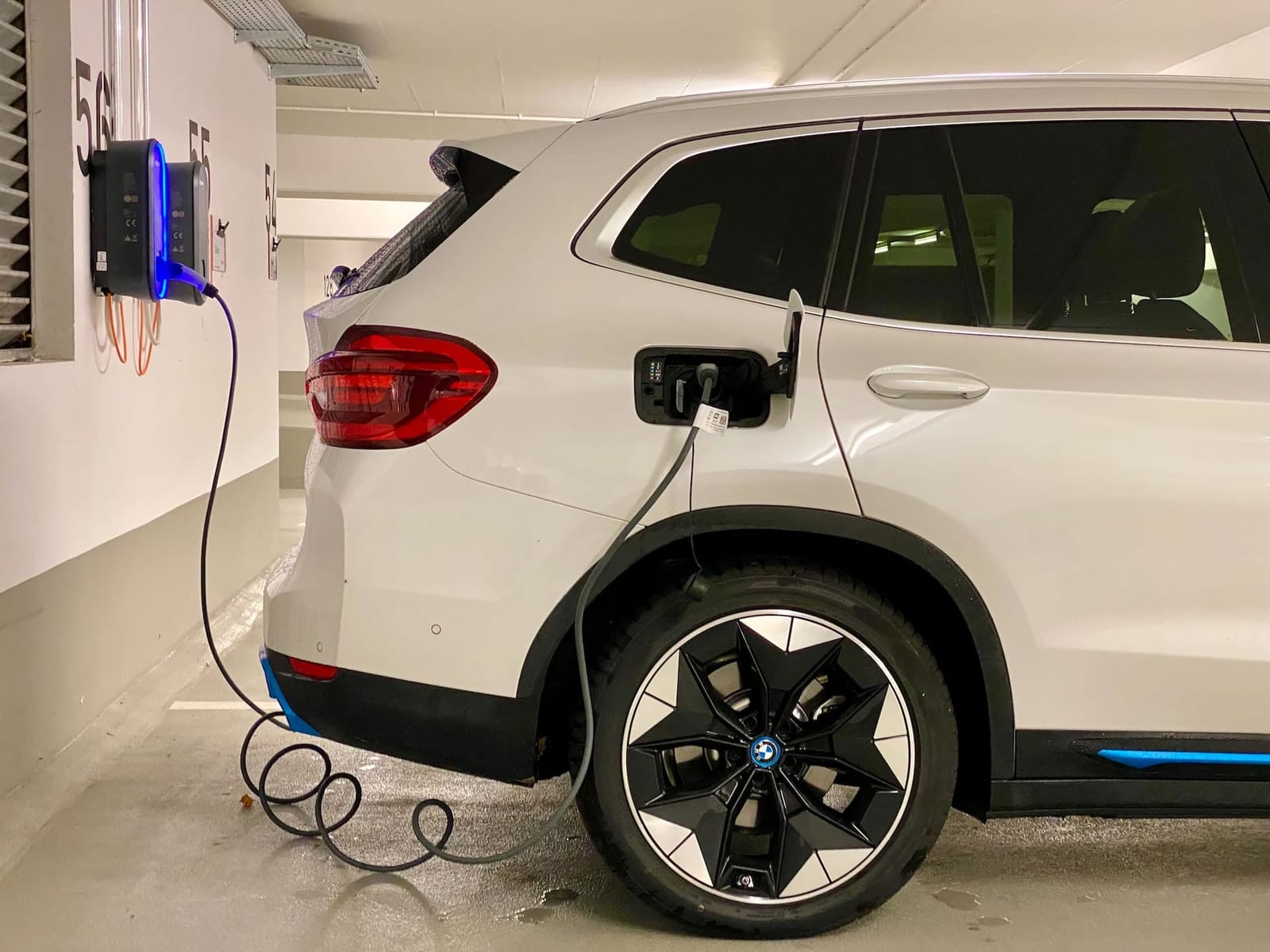
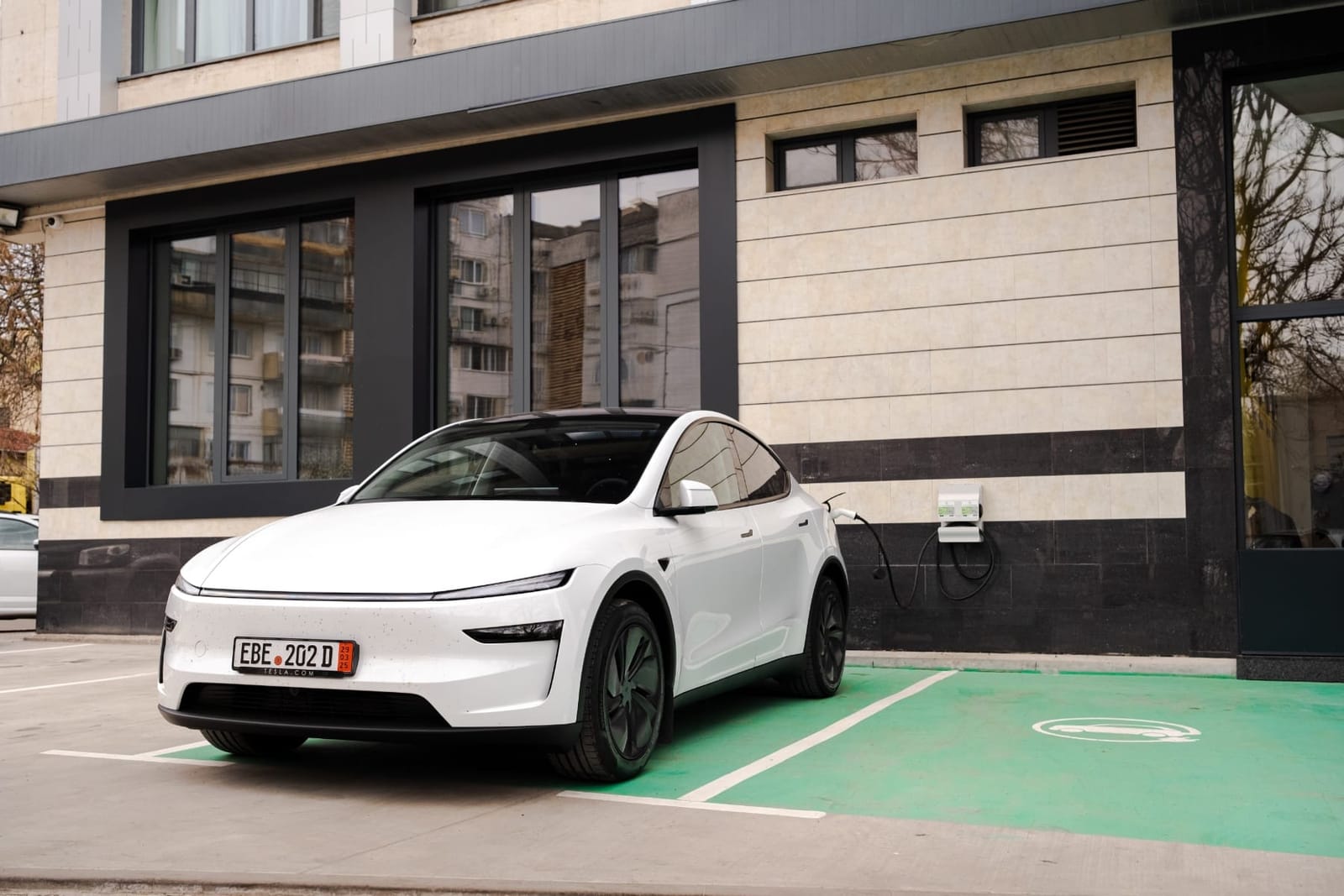
Why you should never pull the cable taut when charging an electric car
Delyan Dimitrov4 min read
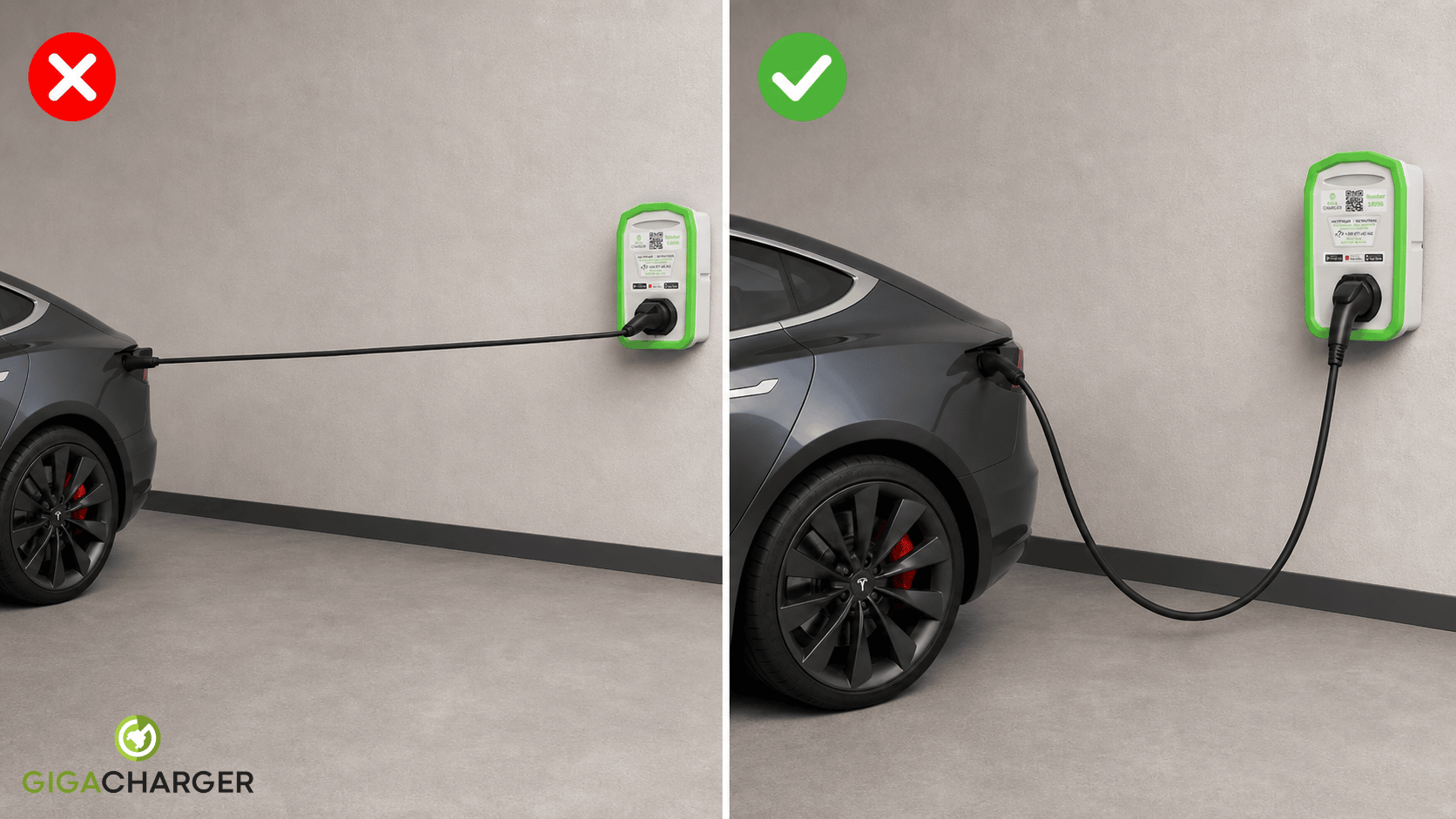
It looks simple – you plug the cable in and charge. But behind that seemingly elementary procedure sit a number of technical details that are often underestimated. One of the most common and at the same time most dangerous habits is stretching the charging cable when the car is parked too far from the station.
In this article we explain why that is bad practice, what the risks are and how to charge correctly, so that you extend the life of your equipment and keep yourself safe.
Why good charging habits matter
A charging cable is not an ordinary extension lead. Significant currents pass through it – often between 16 and 32 amps on home stations, and several times higher on fast chargers. Alongside them, the charging cable also carries communication wires, which are thinner, so any physical strain along the cable is damaging. Incorrect use creates stress that over time compromises the cable, the electrical installation and the car itself.
Building good habits from day one saves you expensive repairs and prevents potentially dangerous incidents.
What happens when the cable is stretched
When you park too far from the charging station and the cable is stretched to its limit, constant mechanical tension is applied to it and to the connectors. That tension does not disappear while the car charges – and charging often lasts for hours.
Picture this situation: you park in the evening, you are in a hurry, you do not park in the ideal position and the cable stretches to reach the car's charging port. Overnight the temperature drops, the materials contract and the tension on the joints increases further. In the morning you find that the cable has disconnected by itself or, worse, that the plug has overheated.
The main risks
Stretching the cable carries several specific dangers that every electric car owner should know about:
- Damage to the cable itself – the internal copper conductors stretch, the insulation cracks and the protective sheath loses its integrity. These faults are often invisible from the outside.
- A shorter equipment life – a charging station designed for 10+ years of service can start failing after 2–3 months of incorrect use. Replacing a cable or a connector is not a cheap pleasure.
- Connector wear – the plug on the station side and the one on the car side are designed to stay still during charging. Constant tension works the contacts loose and leads to oxidation and slack joints.
- Overheating and electrical problems – a poor contact increases resistance, and resistance turns into heat. Overheating can deform the plastic parts, melt the insulation and in the worst case cause a spark.
Safety for people and property
It is very important that once you end the charging session you put the cable away tidily, coiled and stored in the place provided for it. Never leave the cable spilled across the ground. A person or a car could run over it, even unintentionally.
A real scenario: an electric car owner in a residential complex parks across two spaces to reach the shared charging station. The cable runs over a neighbouring parking space. Another driver manoeuvres, does not notice the cable and drives over it. The result – a damaged cable, arguments between neighbours and charging interrupted for everyone in the building.
Good charging practice
Following a few simple rules makes an enormous difference:
- Position the car correctly – park so that the charging port is as close to the station as possible. The cable should hang freely, with a slight slack, never taut.
- Handle the cable carefully – do not pull on the cable itself when unplugging. Always grip the plug. Do not twist the cable around sharp corners and do not kink it.
- Storage after use – coil the cable in wide loops, not tight spirals. Store it somewhere dry, away from direct sunlight.
- Install the station in the right place – if you often have to stretch the cable, the problem is most likely the position of the station. Moving it, or choosing a longer cable at installation, is an investment that pays for itself.
Conclusion
A charging cable is not a rope – it is a cable. Stretching it looks like a minor oversight, but the consequences can be expensive and dangerous. The cable should hang freely, the connectors should sit firmly, and the station should be positioned where it is genuinely convenient for you to park.
A practical tip: before you plug the cable in, take a step back and look at the whole picture. If the cable is stretched like a guitar string, move the car. Those 30 seconds will save you from potential problems.