DC versus AC: the difference between fast and slow EV charging
Delyan Dimitrov4 min read
Why the type of charging matters
Electric vehicles (EVs) are no longer the future, they are the present. As they grow in popularity, one of the questions new and prospective owners ask most often concerns charging. You come across the terms AC charging and DC charging, often called “slow” and “fast” charging, but what exactly do they mean and what is the essential difference?
Understanding these two basic methods is not merely a technical detail. It is key to making the best use of your time, extending the life of your battery and planning your journeys. As your expert supplier of **EV charging station** solutions, we will unravel the mystery so that you can make informed decisions.
AC charging – the foundation of everyday mobility
AC charging (Alternating Current), also known as slow charging, is the most widespread and most affordable method. It is the standard for home use and for places where the car stands for long periods.
How does it work?
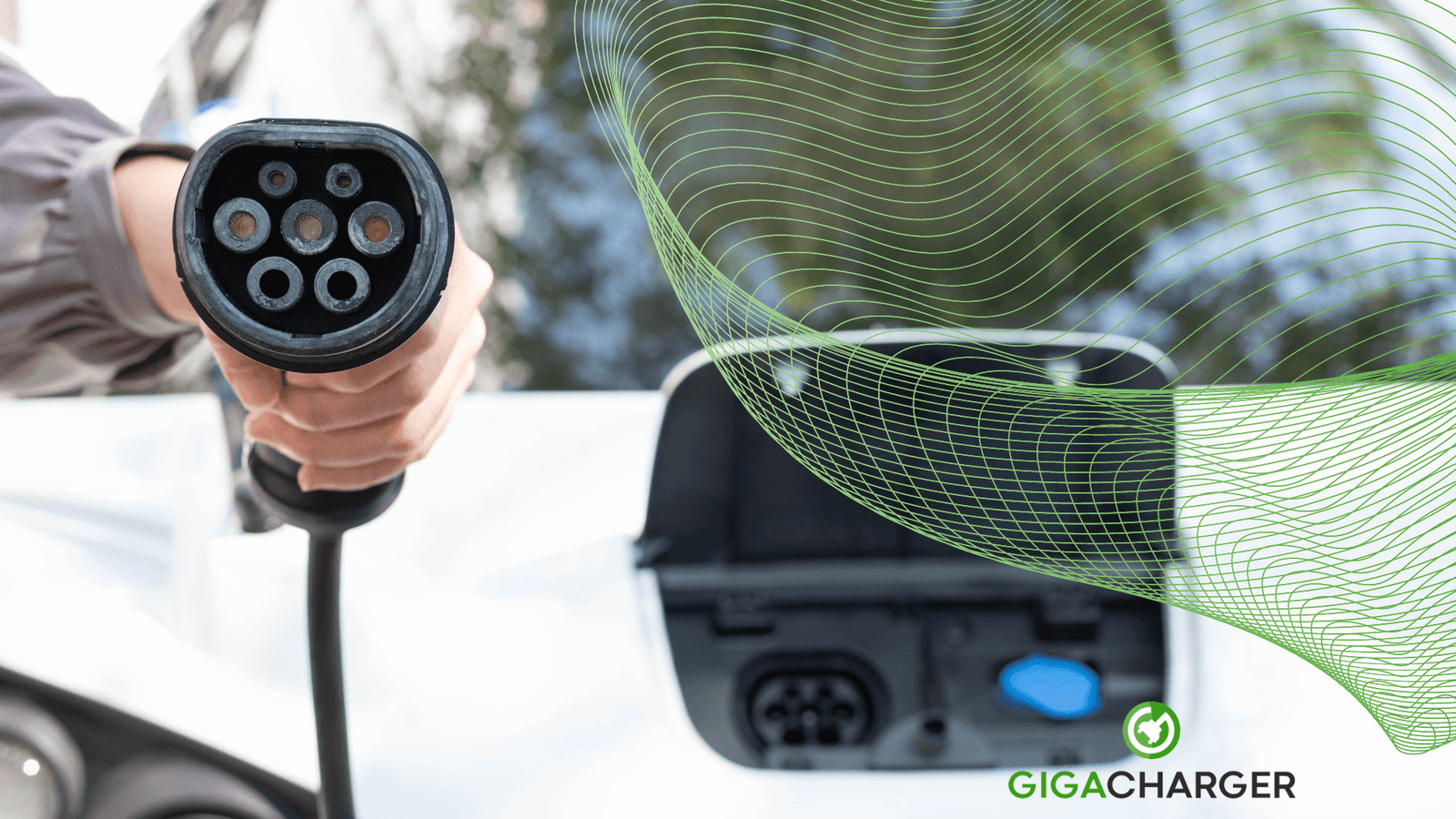
The mains electricity flowing through your home and most public sites is alternating current (AC). Your electric car, however, needs direct current (DC) to store energy in the battery. With AC charging, that conversion is performed by the on-board charger built into your car. The charging station (EVSE) simply acts as a protective and communication intermediary that supplies AC to the car.
Advantages and disadvantages
- Advantages: AC charging equipment is considerably cheaper and easier to install, and needs less power from the grid. It is ideal for long charging sessions – overnight at home or during the working day.
- Disadvantages: The speed is lower, usually ranging from 3.7 kW to 22 kW, because it is limited by the capacity of the car's on-board charger.
Typical locations for AC stations
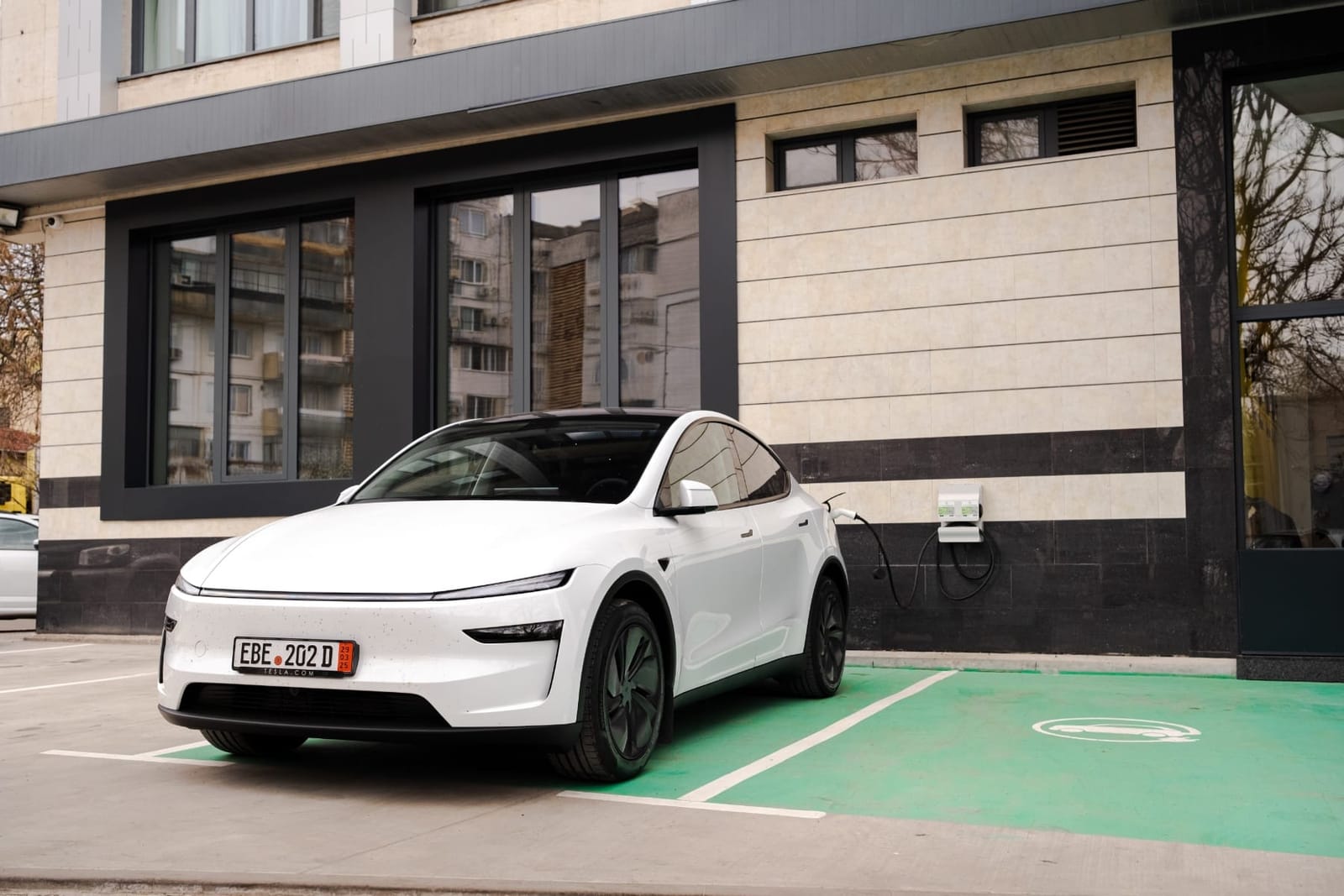
This type of charging station is best suited to private homes, car parks, hotels, shopping centres and office buildings.
What is DC charging and why is it faster?
DC charging (Direct Current), also called fast charging, is the revolution in electric mobility, removing range anxiety on the road.
How does it work?
With DC charging, the conversion from AC to DC happens inside the charging station itself, before the current reaches the car. The station supplies direct current straight to the battery, effectively bypassing the car's slower on-board charger.
Advantages and disadvantages
- Advantages: Extremely high speed – power ratings start at 50 kW and can exceed 350 kW. This allows many electric cars to reach 80% charge in just 20 to 40 minutes, making breaks on a long journey comparable to those in a conventional car.
- Disadvantages: DC charging stations are considerably more expensive to buy and install, they require large-scale, high-power electrical infrastructure and they often come with higher usage fees.
Typical locations
DC fast charging is ideal for intercity motorways, key transport corridors, petrol stations and places where drivers need to charge as quickly as possible before continuing their journey.
The main difference – where the current is converted
The key difference between the two methods is where alternating current (AC) becomes direct current (DC) – the energy the battery can actually use.
| Parameter | AC charging (slow) | DC charging (fast) |
|---|---|---|
| Where conversion happens | The car's on-board charger | In the charging station itself |
| Power | Slow to medium (3.7 – 22 kW) | High to very high (50 – 350+ kW) |
| Equipment cost | Low/affordable | High |
| Typical use | Home, overnight, long sessions | Motorway travel, quick stops |
When should you choose AC over DC charging?
The right choice of charging station depends on your driving style and your needs.
- Choose an AC station when:
- You drive every day: to top the energy back up overnight while you sleep, or during the day while you work. For example in a garage or a parking space in front of your home.
- Time is not a factor: you use parked time to charge to full capacity. This is the gentlest option for the battery and the most economical one.
- Choose DC charging when:
- You travel long distances: to keep rest stops on intercity routes to a minimum.
- You need a quick top-up: when time is critical and you need enough charge to continue after a short (15–30 minute) stop.
Which type of charging is better?
In the end, there is no “better” type of EV charging. Both technologies – AC charging and DC charging – are vital components of the electric vehicle ecosystem, each with a unique role. Slow charging is kind to battery life in everyday use, while fast charging is a convenience to draw on when travelling out of town.
Whether you are an electric car owner looking for the best home AC station, or a business owner who wants to attract a new audience of customers, we are here to help.
Ready to take the next step in electric mobility? Get in touch with our team today for expert advice, design and installation of the charging station that is right for you.