Why charging an electric car to 100% is SAFE
Delyan Dimitrov3 min read
Electric cars are gaining in popularity
Electric vehicles (EVs) are becoming ever more popular as the world moves towards a more sustainable future.
Even so, there are still many misconceptions about electric vehicles, one of them being the myth that electric vehicles should never be charged above 80%.
That may be true when charging at a direct current (DC) fast charging station, or if the battery is going to sit charged for several weeks or more, but it is not true of alternating current chargers.
In this article we look at why this myth is mistaken and why AC chargers can safely charge electric cars to 100%.
The myth that electric vehicles cannot be charged above 80%
The myth that electric vehicles should not be charged above 80% has been circulating for some time.
The reasoning behind it is that charging an electric car to 100% can harm the battery and shorten its life.
That may be true of direct current fast charging at DC rapid charging stations, but not of alternating current charging.
It is also important to note that every manufacturer limits how much of the battery's capacity is used — at a full 100% charge as well as at 0%. As ordinary users we have a margin in the form of a reserve at both extremes of charge.
What are the differences between direct and alternating current chargers?
Direct current chargers, also known as fast chargers (DC), are designed to charge an electric car quickly.
These chargers can take an electric car from 0% to 80% in just 30 minutes, and in many cases less. Fast charging, however, generates a great deal of heat, which can damage the battery and shorten its life — and it is important to note that this can happen if fast charging is used exclusively over a period of years.
That is why it is recommended that you limit fast charging and use it only when you need to.
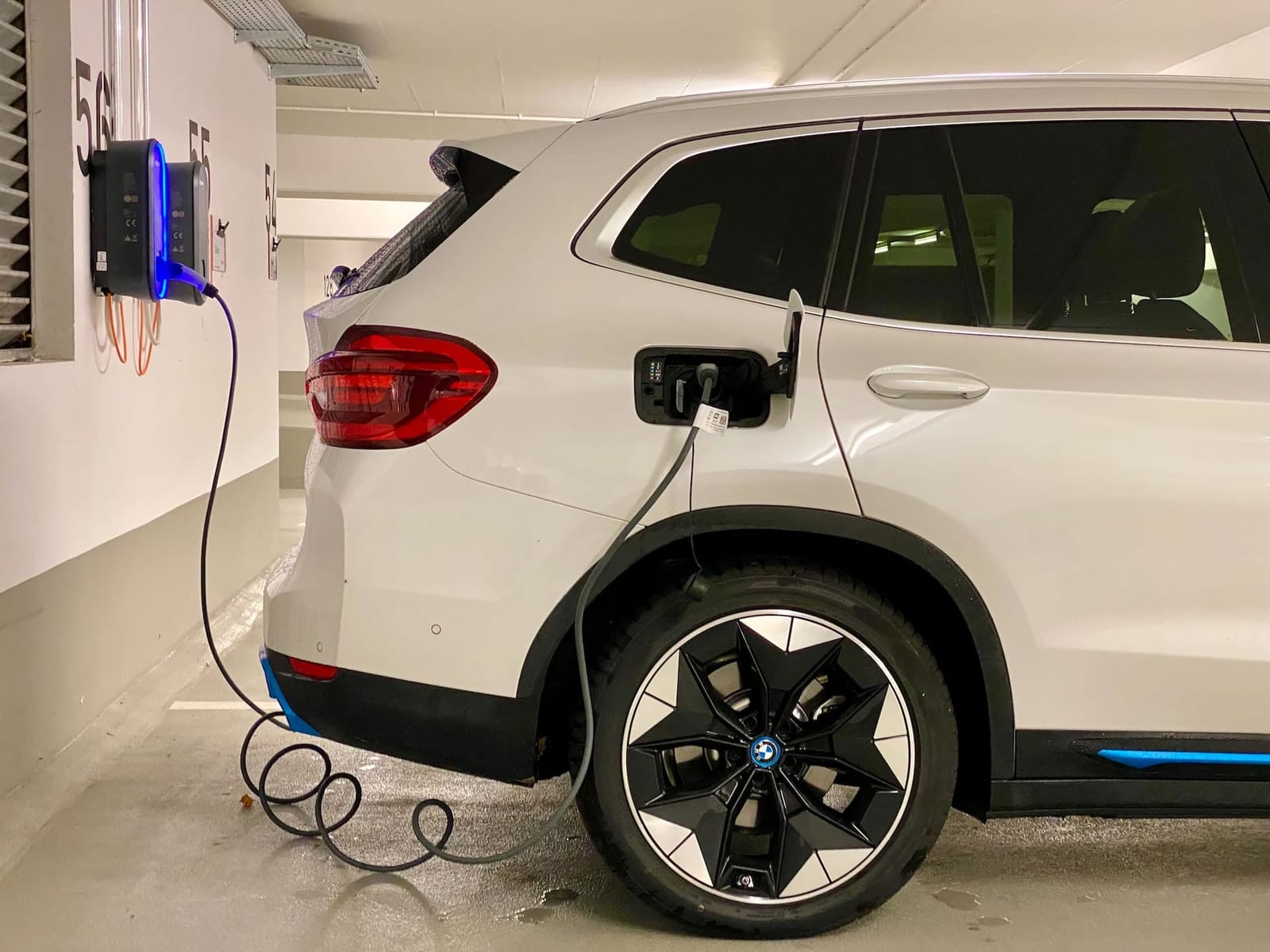
Alternating current (AC) charging stations, on the other hand, are designed to charge an electric car slowly over a longer period.
These chargers do not generate anything like as much heat as fast chargers, which means they do not damage the battery.
That is why alternating current chargers can safely charge an electric car to 100%.
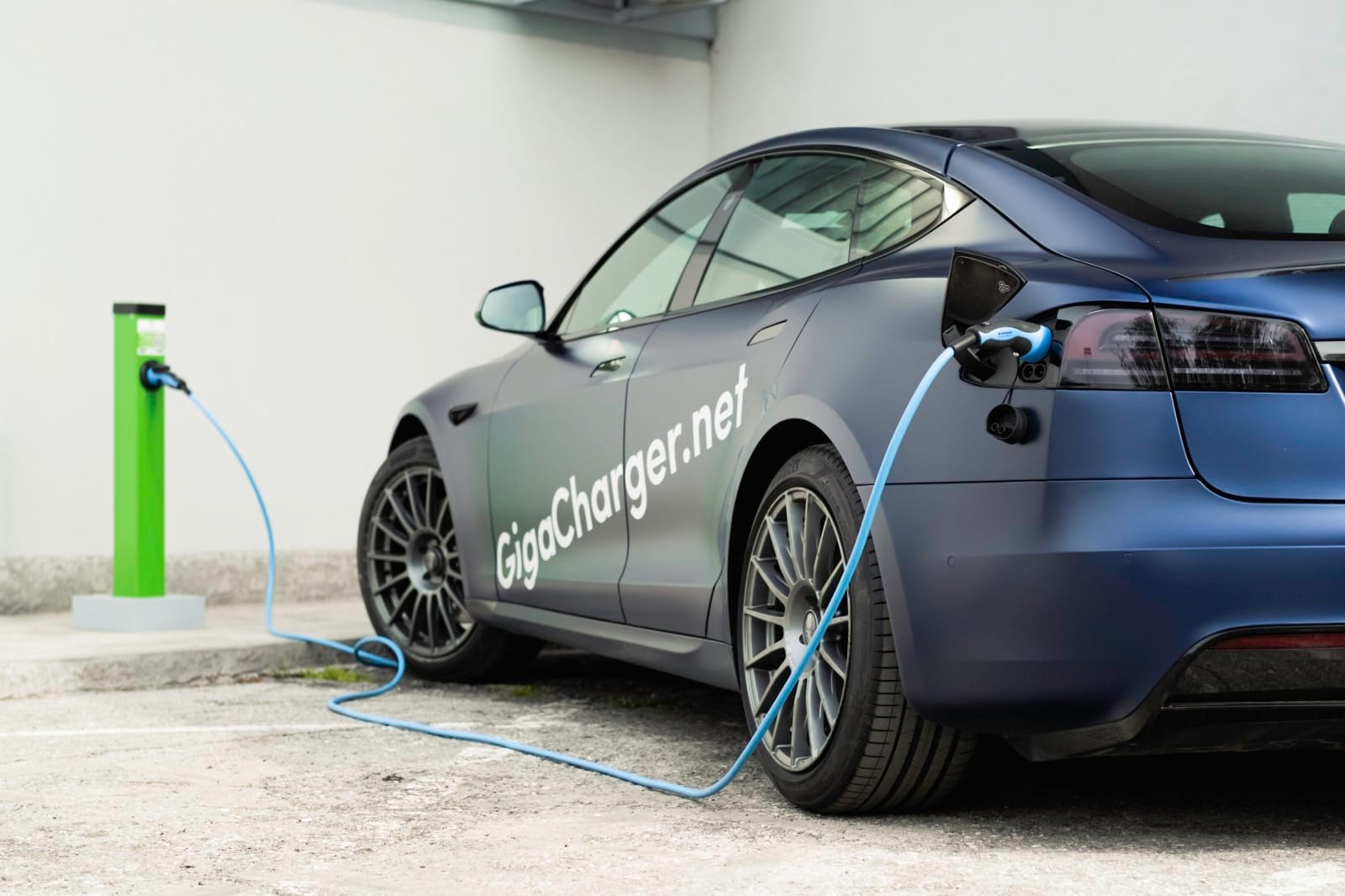
Is it safe to charge to 100% with GigaCharger?
Short and complete answer – yes. GigaCharger EV charging stations use alternating current (AC).
As we mentioned earlier in the article, it is genuinely safe for an electric car's battery, protecting it from high temperatures.
In the GigaCharger subscription plans you can find out more about how to request an installation in front of your building, in the yard, in the garage or wherever is convenient for you.
The effect of charging on battery health
Charging an electric car does affect the condition of the battery, but not nearly as much as many people think.
Battery health is affected mainly by how it is charged and discharged, and by the temperatures it is exposed to.
Over time a battery loses efficiency, but this is a slow process that takes years — very often more than 15.
The role of battery management systems
To guarantee the longevity of the battery, electric cars are fitted with advanced battery management systems (BMS).
These systems monitor temperature, state of charge and other factors to ensure the battery is charged and discharged in a way that extends its life as far as possible.
The BMS also limits the rate of charging and discharging to prevent damage to the battery.
Conclusion
In conclusion, the myth that electric cars should not be charged above 80% is mistaken when it comes to alternating current (AC) charging.
Alternating current chargers do not generate anything like as much heat as fast (DC) chargers, which means they can safely charge an electric car to 100%.
Charging an electric car does affect the condition of the battery, but it is a slow process that takes several years.
To guarantee the longevity of the battery, electric cars are fitted with advanced battery management systems that monitor and regulate the charging and discharging process.